Website design
Website design for remodelers and homebuilders
Website design for remodelers, homebuilders, and related service businesses. We're based in Kansas City and work remotely with owners elsewhere. Your referrals still check the website; give them services, project evidence, and a clear way to start.

Website pricing and inclusions
What's included in a contractor website build?
Starter builds begin at $1,500. Strategy, copy, design, development, search foundations, and 4 to 8 optimized articles are included. We map existing topics before selecting those articles so they answer different customer questions.
A focused build can introduce one clear offering, explain the people and process, show approved work, and guide an inquiry. A broader build might need several service journeys, a substantial project library, or different intake integrations. These examples don't set fixed page limits.
What's included
A page-purpose map, written website copy, responsive page design and development, descriptive metadata, internal links, and launch checks.
What depends on your website
The number and depth of service and project pages, interviews, content migration, form integrations, and analytics setup depend on the agreed build.
What changes the price
More audiences, complex integrations, missing source material, and extensive migration increase the work. The quote reflects what each page needs, not just how many pages there are.
Your material
What do you need to provide for your website?
Bring service details, the work you want more of, the places you actually serve, and approved photos. For each project, explain the starting problem, your decisions, and what changed. We organize the material and write; you check business facts and permissions.
A service page answers what you do and who it's for. A project story demonstrates a particular decision. Cost guidance explains what changes a budget. They shouldn't repeat the same introduction under different headings.
Project evidence
Share the project details, the challenges you solved, photos we can use, and what changed for the customer.
Access and integrations
Identify the domain registrar, hosting, existing CMS, form provider, and reporting accounts. An embedded form still needs a submission test; a visible form alone isn't proof of delivery.


Build process
What happens during a website build?
We agree on a schedule around the actual pages, content, integrations, and approval path. Available photos, factual answers, access, and one person consolidating feedback help the work move forward.
Discover and map
We agree on the work and what each page needs to explain. You confirm the services, audiences, and priorities before we write.
Write and design
Output: page drafts and a visual direction using your approved brand and imagery. You review claims, tone, and presentation.
Build and test
Output: a complete preview with navigation, forms, responsive layouts, and search setup. We work through the review before launch.
Launch and hand off
You receive the completed website, launch checks, and details of who handles accounts and updates. Ongoing search work is a separate decision.
Migration and support
What happens to your old website when you rebuild?
Before replacing a site, inventory its live URLs, valuable content, search landing pages, downloads, and inquiry paths. Match each useful old destination to its new home, preserve it where possible, and plan direct redirects where an equivalent page moves.
Launch review includes crawl access, preferred URLs, sitemap entries, forms, analytics continuity, mobile navigation, and important old links. Search visibility can change during a move, so the release needs follow-up checks.
Domain registration, hosting, third-party tools, licensed assets, updates, and support are separate responsibilities to resolve in the written agreement. A build price doesn't establish a universal hosting fee or an ongoing maintenance contract.
Check the inquiry path
Test validation, provider acceptance, success messages, and notification delivery separately. Count a phone-link click as an interaction, not a completed call.
Decide what follows
A launched website provides a foundation. New project publishing, maintenance, and ongoing SEO have different purposes and need defined responsibilities.
Website page planning
What pages does a contractor website need?
A remodeling website needs to explain the services, show completed projects, answer budget questions, and help homeowners get in touch. Here's how those pages can work together.
- 01Services
Explain the service
- 02Project stories
Show completed work
- 03Contact
Help visitors contact you
| Page | Buyer question | Useful evidence or next step |
|---|---|---|
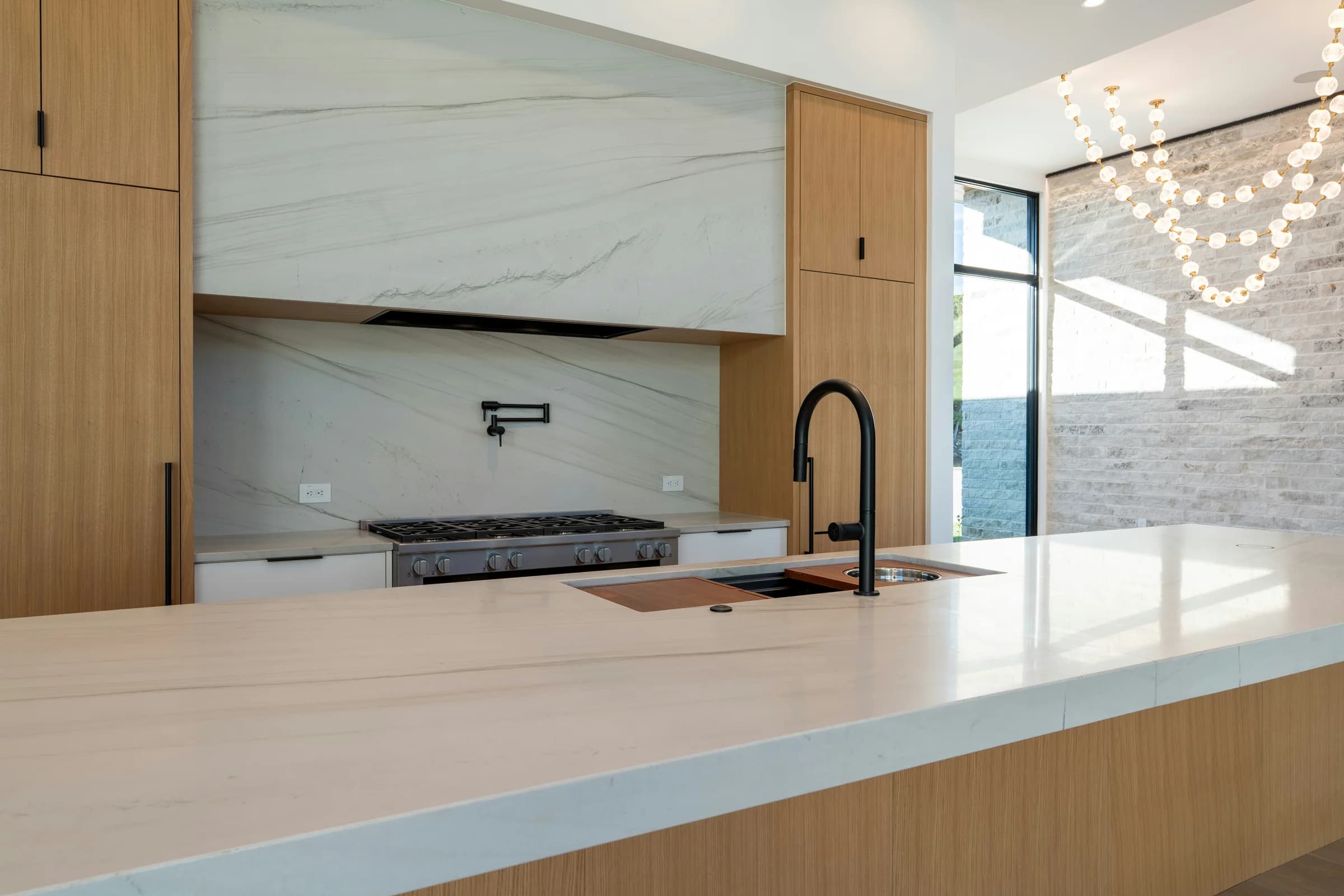
| Kitchen remodeling | Can this team handle the kind of kitchen I need? | Scope, planning decisions, and a relevant project story. |
| Basement remodeling | What would make my lower level usable? | Layout constraints, preparation, and a separate service conversation. |
| A completed project | How did the team solve a real problem? | Approved scope, decisions, captions, and supported outcome. |
| Costs and process | What affects the budget and what happens first? | Confirmed price drivers and a clear planning sequence. |
| Contact | What information do I need to start? | Project type, contact details, and an explained response path. |
A focused site may combine functions when that helps the reader. Separate pages earn their place through useful detail and distinct decisions.
Plan a repair or rebuild ↗Selected work
What did we change for these businesses?
See how we approached each business's website, content, and search challenges, what we changed, and what happened next.
How did the website support sales conversations?
Established remodeling business
Website and sales materials for a remodeler
Service pages, project stories, and presentation materials supported a remodeling business through approximately eighteen months of work. Eleven bids describe engagement activity, without attributing wins or revenue to SEO.
Read the project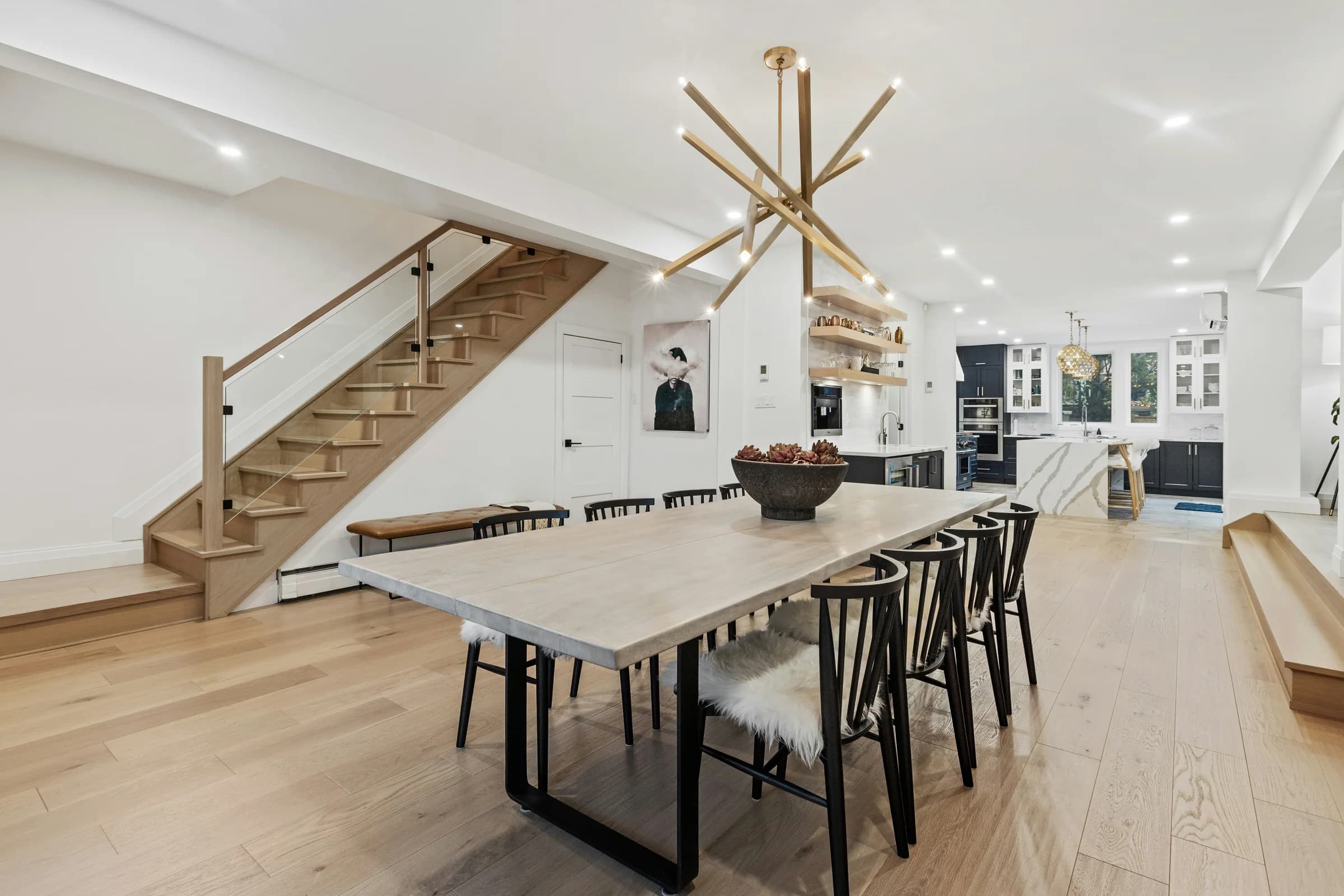
How did we separate the three customer groups?
Property-maintenance business
Service pages for three customer groups
Different customer groups received distinct service information and request paths. The case explains the published integrations and the delivery evidence still needed.
Read the project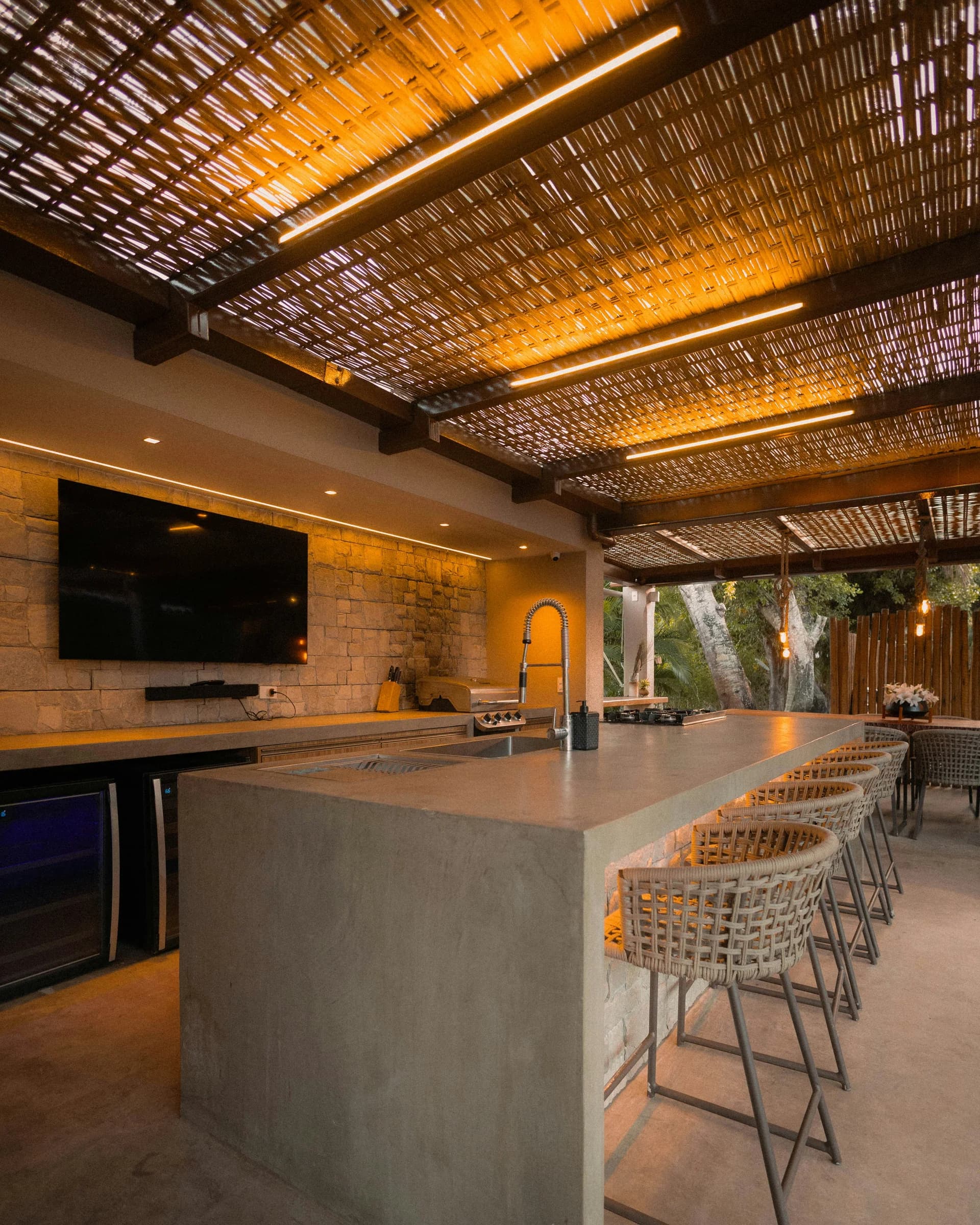
What did we fix before and after launch?
Outdoor-service business
Rebuilding an outdoor-service website
An outdoor-service rebuild combined owner-informed content with domain and launch repairs. Controlled lab improvements are reported separately from real-user performance.
Read the projectIn their words
Read the feedback collectionTheir responsiveness, plain, easy to understand language, and reasonable pricing made me hire DewBwah. I needed a landing page added to my existing website. I would very much recommend DewBwah to another business owner because they handled things with professionalism yet personalization, quickly, and for a reasonable price. I will do business with them again!
Questions about working with us
Frequently asked questions
How much does a website cost?
Starter builds begin at $1,500, including strategy, copy, design, development, search foundations, and 4 to 8 optimized articles. We'll agree on your scope and explain ongoing costs before you commit.
How long does a build take?
That depends on the pages, integrations, and material. We'll agree on a schedule after reviewing the scope. Having your photos, service details, and a single point of contact ready helps keep things moving.
Do I need ongoing SEO?
The website includes search foundations. Ongoing SEO and content work are separate options, recommended when they fit your business.
What happens after launch?
We'll agree on account access, handoff, update responsibilities, support, and ongoing fees in your proposal.
Website design & SEO
Need help with
your website?
Tell us what you need to fix, build, or understand. We'll discuss it on a free 30-minute call.