Internal development project
A website built to help business owners
Our message and design, service and pricing pages, helpful articles, free resources, website tools, and Google search setup
Explore the project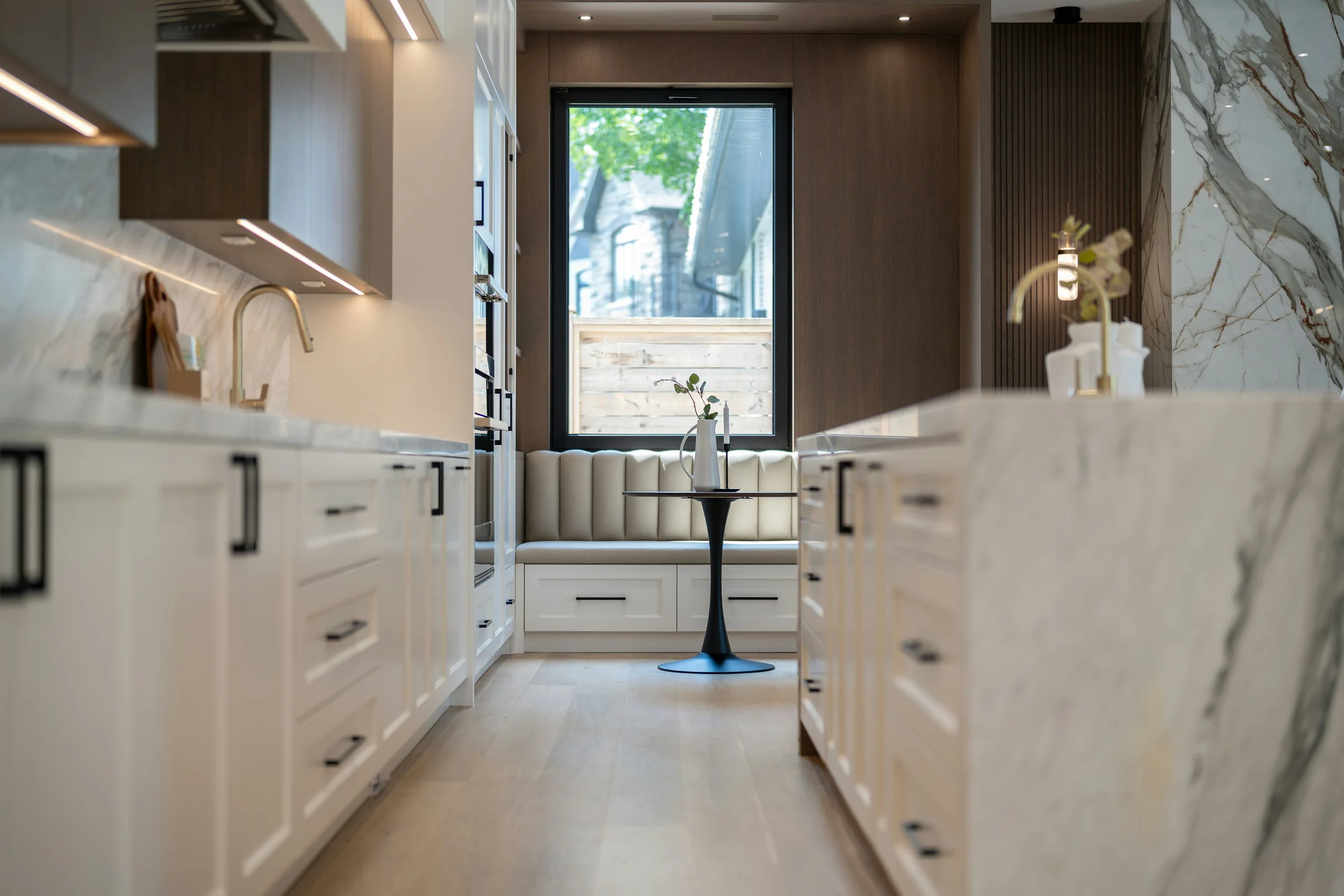
How did we plan the pages, content, and reporting?
Project brief
Building a website that helps owners understand their marketing
We built our own site around the questions business owners ask us. It needed to show our work, explain our services, and offer useful help before someone booked a call.
What did we want the site to do?
Our site needed to do the things we ask a client's website to do: explain who we help, show why the work matters, and make the next step easy to find.
We also wanted owners to get useful answers without having to become marketing experts. That meant explaining the work in plain English and giving people enough information to make a decision.
How did we organize the main pages?
We gave services, pricing, team information, and contact options their own space. An owner could learn what we do, understand the investment, meet the people behind the work, and decide whether to talk.
We developed the fonts, colors, photo treatments, and page layouts together. We also checked that contact information stayed consistent and worked on outdated business details elsewhere online.
How did we plan the pages, content, and reporting?
We built our site to explain the work, answer owners' questions, and make it easy to start a conversation.
- 01Explain who we help
- 02Answer real questions
- 03Make getting in touch easy
What useful help did we add?
We wrote articles about the questions owners bring to us, plus plain-English guides to Google's search and reporting tools. We added worksheets, checklists, and planning resources people could use in their own business.
We also built two website tools. One walks owners through questions about whether their site is clear and trustworthy. The other checks a limited set of technical basics and reports what it finds.
How did we check the website itself?
We set up page names and descriptions for Google, connected related pages, and added information that helps search engines understand the business. We connected forms and contact options and explained what happens after someone reaches out.
We added visitor tracking with cookie choices, then checked the live pages, links, sampled downloads, and images. We also checked that search engines could read the page content.
What did we learn from reviewing it?
The review gave us a clear list of improvements: explain the services in more depth, organize the project stories better, sort out overlapping articles, and make the pricing information consistent. We also found a misleading result in the website checker that needed correcting.
The point of reviewing a live website is to keep making it more useful. Good design gets someone interested; clear answers and a working next step help them decide what to do.
How did the website support sales conversations?
Related case study
Website and sales materials for a remodeler
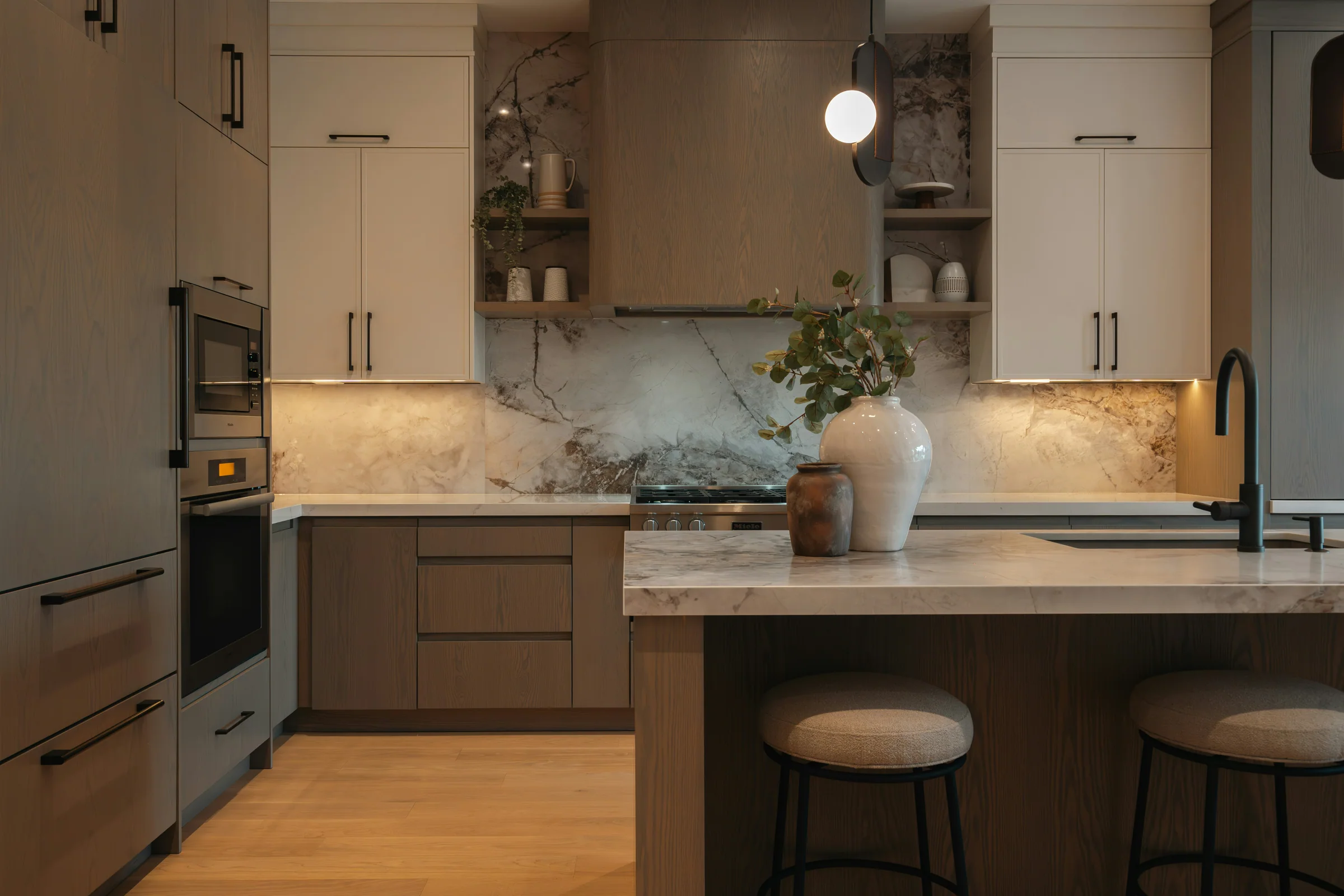
This remodeler needed more than a better-looking website. Over eighteen months, we helped show the work, explain the services, fix website problems, and prepare materials for conversations with homeowners.
Explore the next project ↗Website design & SEO
Does your website show
the work you want more of?
Tell us which projects you want more of. On a free 30-minute call, we'll talk through what's working on your website and what we'd fix first.