Outdoor-service business
A new website for an outdoor service company
A new website, useful service information, help moving the site, faster-loading pages, and inquiry tracking
Explore the project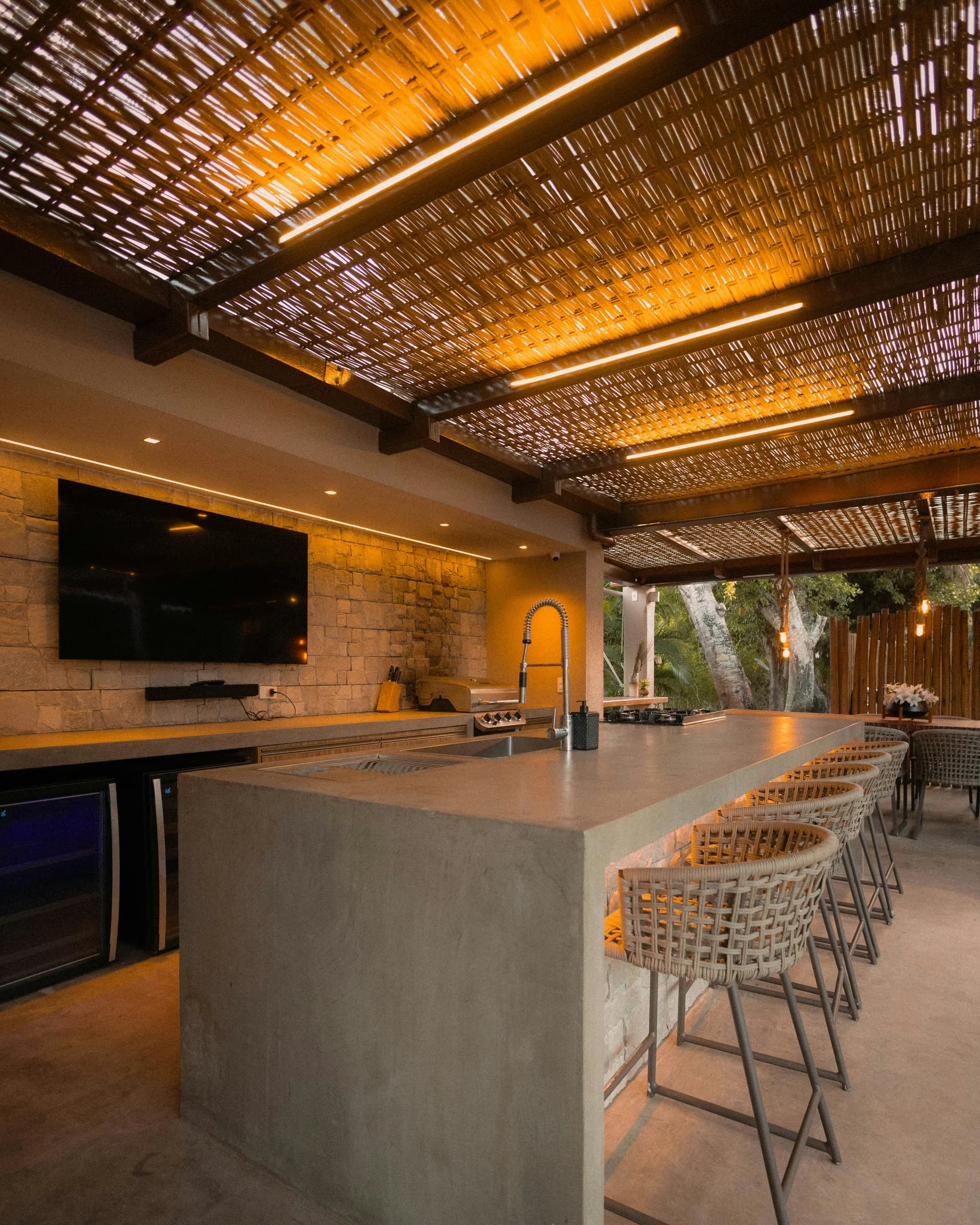
What did we fix before and after launch?
Project brief
A clearer website for an outdoor-service business
We built a website that answers the questions customers ask before requesting an estimate. We also untangled the website setup, fixed problems found at launch, and improved loading times in mobile tests.
What did customers need to know?
The old site needed better answers. Customers wanted to know what the business did, what affected the price, how to prepare, and how to request an estimate.
Behind the scenes, the website address, hosting, and email were spread across different providers. We had to work out who controlled each part, connect the new site correctly, and investigate old charges that might no longer be needed.
How did we turn the owner's knowledge into useful pages?
We asked the owner about the details that come up on real jobs: travel, access, site conditions, cleanup, payment, and contact hours. Those answers became service pages, cost information, common questions, and helpful articles.
The site also included photos, information about the owner, and clear ways to ask for a quote. We explained which work the business handled directly and which work involved other professionals, so customers knew what to expect.
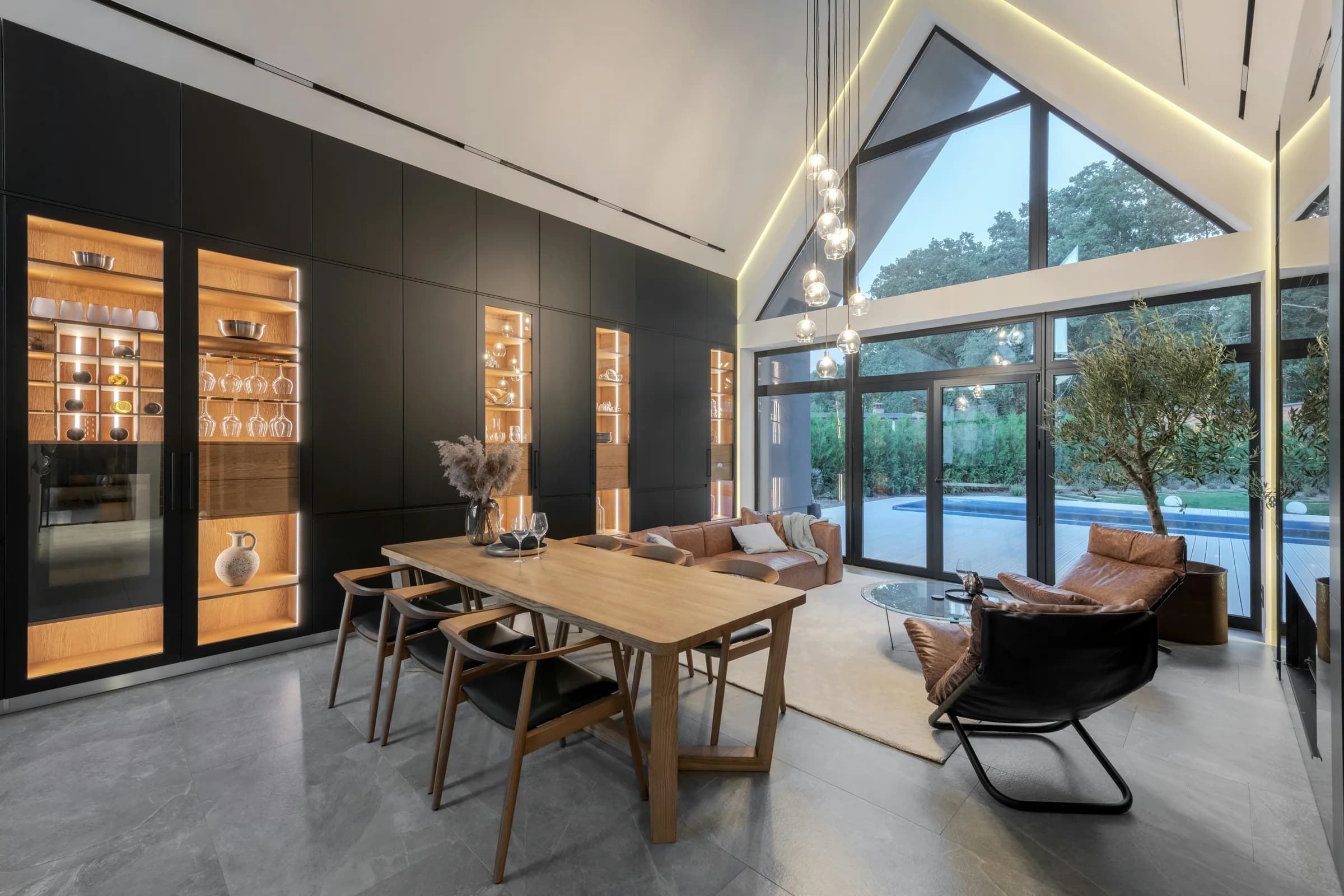
What did we fix before and after launch?
We turned the owner's job knowledge into helpful pages, fixed the website setup, and tracked people getting in touch.
- 01Explain the work
- 02Connect the website
- 03Test the contact form
What website problems did we fix?
During launch, we found settings that could keep Google from showing the site, conflicting versions of the website address, and tracking that wasn't collecting properly. We corrected those problems and checked the links between pages.
We reduced oversized decorative files and changed how fonts loaded. In matching mobile lab tests, the homepage's main content appeared in 3.7 seconds instead of 5.0. A main service page improved from 4.5 to 3.6 seconds. Those tests let us compare the changes; actual speeds vary by device and connection.
How did we track people getting in touch?
We connected the site to Google's search and visitor reports, then added tracking for quote and contact actions. A form counts as a lead after the form provider accepts the submission, rather than just because someone clicked a button.
We tested that tracking and reviewed local business information. We also prepared a place for future project stories, ready for the owner to supply the photos and details.
What did the business receive?
The owner had a new website that answered practical customer questions, explained the services, and made quote options easier to find. The website setup was cleaner, and mobile lab tests showed faster loading.
The next step was to watch real inquiries and search results as the site settled in, while following up on the remaining business-profile updates.

How did the website support sales conversations?
Related case study
Website and sales materials for a remodeler
This remodeler needed more than a better-looking website. Over eighteen months, we helped show the work, explain the services, fix website problems, and prepare materials for conversations with homeowners.
Explore the next project ↗Website design & SEO
Does your website show
the work you want more of?
Tell us which projects you want more of. On a free 30-minute call, we'll talk through what's working on your website and what we'd fix first.